The security landscape for small and medium enterprises (SMEs) is rapidly evolving, with traditional surveillance systems no longer sufficient to address the complex security challenges that businesses face.

Enter the era of AI-integrated CCTV systems, a game-changing solution by security system companies. This approach enhances security monitoring and propels SMEs into a new dimension of safety and operational efficiency.

Unlike conventional systems, these AI-enhanced setups can understand and interpret video data, transforming passive cameras into active security allies. For SMEs, this means a shift from surveillance to security intelligence, where every camera has the potential to be a protector. This blog explores how AI features transform traditional surveillance into proactive security measures.

How AI Enhances CCTV Systems

Integrating artificial intelligence (AI) into CCTV systems represents a shift in how security is conceptualised and implemented, especially for SMEs. At the heart of this transformation is AI’s ability to add a layer of advanced cognition to surveillance operations. AI-driven CCTV camera surveillance systems can go beyond recording. Here’s how:

  • Advanced Object Recognition: This feature allows the system to distinguish between different types of objects and movements, reducing the likelihood of false alarms. For instance, the system can differentiate between a harmless animal moving in the vicinity and an actual security threat, ensuring that alerts are meaningful and actionable.
  • Behaviour Analysis: AI-integrated CCTV systems learn and identify normal patterns within an environment and, more importantly, detect deviations from these patterns. This ability is crucial for preemptive security measures, as it enables the system to alert security personnel to potentially suspicious activities before they escalate into incidents.
  • Anomaly Detection: By constantly analysing video data, AI algorithms can identify unusual activities or scenarios that might elude human oversight. This capability is handy in high-risk or sensitive areas where security breaches could have severe consequences.

Through these functionalities, AI transforms CCTV from a passive surveillance tool into a dynamic, proactive security asset. This evolution enhances the effectiveness of the access control system. It improves the efficiency of security operations, allowing SMEs to allocate their resources more judiciously and focus on their core business activities.

Real-World Benefits for SMEs

SMEs’ adoption of AI-integrated CCTV systems has gone beyond theoretical advantages, resulting in tangible, real-world benefits that impact day-to-day operations and long-term security strategies. These systems are not just about technological advancement; they are reshaping how SMEs approach security, efficiency, and operational management. Some of the benefits SMEs may experience include:

  • Reduced False Alarms: Traditional surveillance systems often trigger alerts for non-threatening movements, such as wildlife or weather-related changes. With their advanced object recognition, AI-integrated systems can discern between genuine security threats and innocuous movements, ensuring precision and saving time and resources.
  • Enhanced Monitoring Efficiency: AI systems can monitor multiple feeds simultaneously with a level of attentiveness and detail unattainable by human operators. This capability means that every camera serves as an active security agent, constantly analysing and assessing the environment for potential threats.
  • Improved Incident Response Time: AI-integrated CCTV systems can detect anomalies and potential security breaches in real-time, allowing immediate action. This swift response can prevent minor incidents from escalating into significant security breaches, safeguarding assets and ensuring business continuity.

By harnessing the power of AI, SMEs can transform their surveillance solutions from passive recording devices into proactive security systems. This shift enhances the safety and security of many while contributing to a more secure and confident business environment.

Considerations for Implementation

While the advantages of AI-integrated CCTV systems for SMEs are substantial, the implementation comes with its considerations. These factors ensure that the transition to AI-enhanced surveillance is smooth, effective, and aligned with the business’ unique needs and constraints:

  • Cost Considerations: Advanced AI CCTV systems can represent a significant investment. However, it’s essential to weigh this initial outlay against the long-term benefits. Additionally, many security system companies offer scalable solutions, allowing businesses to start with a basic setup and expand as their needs grow and budget allows.
  • Technical Complexities: Implementing and managing these advanced systems requires specific technical expertise. SMEs need to ensure they have access to skilled personnel who can effectively manage these systems or consider partnering with providers like Starlite Systems, which offers comprehensive support and training to ensure seamless integration and operation.
  • Privacy Concerns: Privacy concerns are increasingly becoming a priority, especially with systems capable of sophisticated data analysis and recognition. It’s crucial for businesses to navigate these concerns responsibly, ensuring that their security measures comply with local privacy laws and ethical standards.

Embrace the Future of Security with AI-Integrated CCTV Systems

The journey from conventional CCTV to AI-integrated systems is not merely a technological upgrade but a strategic shift towards proactive, intelligent security management. The benefits highlight the transformative impact of AI on SME security. However, the transition involves careful consideration of various factors. For SMEs ready to embrace this change, the support of experienced and reputable security system companies like Starlite Systems becomes invaluable.
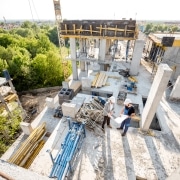
In high-risk sectors such as construction, marine, and heavy machinery manufacturing, the margin for error is often slim. These industries are characterised by their inherent dangers, stemming from the use of heavy equipment, complex machinery, and challenging operational environments.

Within this context, ensuring the safety of personnel and assets is paramount, a task that requires more than just adherence to standard safety protocols. This is where Video Surveillance Systems (VSS) come into play, serving as a critical tool for enhancing safety and mitigating diverse risks.

VSS offers more than just a passive record of events; they are a dynamic tool in the ongoing effort to safeguard operations, ensure worker safety, and maintain compliance with stringent regulatory standards. But how does VSS work in this context? This blog delves into the unique challenges these sectors face and how VSS serves as an indispensable ally in navigating these complexities.

The Critical Role of VSS in High-Risk Industries

The construction, marine, and heavy machinery manufacturing industries are no strangers to the unique challenges and perils inherent to their operations. Their dynamic and often precarious work environments necessitate a vigilant eye that can only be provided by comprehensive video surveillance.

Surveillance in these sectors is not merely about recording; it’s about creating an environment where safety is paramount. The presence of security cameras can act as a continuous reminder to adhere to safety protocols, directly contributing to the prevention of accidents.

Moreover, in the unfortunate event of an incident, including a breach in the security system, the footage provided by these systems can help many to understand what went wrong, aid in swift emergency responses, and ensure compliance with stringent regulatory standards.

Safety Enhancement through VSS

Diving deeper into the benefits, VSS proves to be a proactive player when it comes to safety enhancement. Real-time monitoring of high-risk areas and activities allows immediate intervention, preventing minor issues from escalating into serious incidents. This aspect is particularly critical in environments with a high potential for accidents.

Furthermore, continuous behavioural monitoring through VSS encourages adherence to safety protocols, promoting a safety culture. The knowledge that one’s actions are under surveillance ensures a higher adherence to safety protocols, reducing the likelihood of negligence or complacency.

In the wake of an emergency, the swift analysis of surveillance footage can facilitate timely intervention and effective responses, potentially saving lives and mitigating the impact of accidents.

Risk Mitigation and Compliance

The implications of VSS extend beyond immediate safety enhancements to encompass broader risk management strategies. The footage captured by security cameras serves as an objective record, reducing liability by providing clear evidence in the aftermath of accidents. This evidential support is crucial for internal assessments and legal contexts, where it can substantiate claims or defenses.

Regulatory compliance is another critical aspect where VSS plays a vital role. Strict safety regulations govern many high-risk industries, and adherence to these standards is non-negotiable. VSS helps ensure that operations are conducted within the legal framework, providing a transparent audit trail for regulatory bodies.

Moreover, using VSS footage in worker training and safety drills offers another layer of value. Real-life scenarios captured on camera provide impactful learning materials, helping to educate workers about potential hazards and the importance of safety protocols, thereby enhancing the overall safety culture within an organisation.

Technological Advances in VSS for High-Risk Sectors

Consequently, the evolution of VSS technology has introduced features that enhance its effectiveness in high-risk environments. For instance, integrating AI and analytics into the system has been a game-changer, enabling capabilities like motion detection, perimeter breach alerts, and even predictive analytics to anticipate and prevent potential accidents.

The quality of the footage is also essential, with high-resolution and night vision capabilities ensuring clear and usable images regardless of the lighting conditions. This is particularly relevant in industries like marine and construction, where operations may extend into the night or occur in poorly lit areas.

Equally important is the durability and resilience of the cameras themselves. In industries where conditions can be harsh, the VSS equipment must be rugged and weather-resistant, capable of withstanding the environmental challenges they are subjected to.

Implementing VSS in High-Risk Environments

Implementing VSS in high-risk industries typically involves strategic planning and customisation. For instance, identifying key risk areas and tailoring the VSS setup to cover these zones ensures that surveillance efforts are focused and impactful. This approach maximises the surveillance system’s effectiveness, ensuring comprehensive coverage of critical areas.

Professional installation and expert setup are also crucial for optimal system performance and reliability. A proper installation ensures that every camera is strategically positioned to offer the best vantage points, covering wide areas and critical spots without blind spots. This ensures the surveillance network operates seamlessly, providing continuous and reliable coverage.

Integrating VSS with other safety measures creates a comprehensive safety ecosystem, enhancing the organisation’s overall security posture. When combined with access control systems, alarm systems, and other safety technologies, VSS forms a robust safety net that helps to mitigate risks and enhance safety.

Enhance Your Industrial Safety with Tailored Surveillance System Integration

As we navigate the complexities of high-risk industries, the role of Video Surveillance Systems (VSS) in enhancing safety, ensuring compliance, and mitigating risks cannot be overstated. These systems, equipped with cutting-edge technology and integrated within a comprehensive safety framework, provide more than just surveillance — they offer peace of mind that operations are monitored, hazards are swiftly addressed, and the well-being of personnel is prioritised.

The continuous evolution of VSS technology ensures that these systems remain at the forefront of safety solutions, adapting to the ever-changing demands of high-risk environments. Meanwhile, the strategic implementation of VSS, coupled with professional installation and seamless integration with other safety measures, creates a robust safety ecosystem.

Therefore, the investment in advanced VSS solutions is not merely a regulatory compliance or a risk management strategy; it is a commitment to the highest safety standards, a testament to the value placed on human life and the protection of assets.

For businesses operating within high-risk sectors, consider engaging a security system company like Starlite Systems to tailor your CCTV camera surveillance system. This approach is a step towards securing a safer, more compliant, and efficient operational future.

As businesses become more interconnected, the need for a unified approach to safeguarding assets, data, and premises has never been more critical. This approach ensures that vulnerabilities in one area don’t compromise overall security, providing businesses with a robust defence against diverse threats.

But how do businesses integrate physical security and cybersecurity into their security system? This blog explores how integrated security can be helpful while guiding firms to assess their current security strategies.

The Need for Integration

As businesses digitise, the overlap between physical and cybersecurity becomes more pronounced. For instance, access control systems, while primarily physical, can be compromised through cyber-attacks, leading to unauthorised access.

Similarly, incidents of data breaches often involve a combination of cyber hacking and physical theft or tampering. These examples highlight the interdependent nature of modern security threats, where a lapse in one domain can lead to vulnerabilities in another.

In fact, the real-world implications of disjointed security measures are significant. For instance, Shopback was fined S$74,400 over a data leak incident in November 2020. In a separate incident, RedMart was fined S$72,000 for a data breach in October 2020, which resulted in the online sale of customer data.

Such incidents highlight the importance of a unified security strategy that seamlessly blends physical and digital defences, ensuring a comprehensive protective net around business assets and operations.

Benefits of a Holistic Security Strategy

Adopting a holistic security strategy that integrates physical and cybersecurity systems offers several key advantages:

  1. Improved Response Times: Unified CCTV monitoring camera solutions and alert systems mean that any security breach, whether physical or digital, will trigger a coordinated response. This integration allows for quicker detection and mitigation of threats, minimising potential damage.
  2. Comprehensive Coverage: By considering all security aspects, the strategy ensures that no area is left vulnerable. This approach can help address the multifaceted nature of modern threats, where physical breaches can have digital repercussions and vice versa.
  3. Streamlined Security Operations: Integration simplifies security management, allowing for centralised control and oversight. This enhances efficiency and reduces the likelihood of errors or oversights that can occur when managing disparate systems.
  4. Future-Proofing: A holistic security strategy is adaptable and capable of evolving with technological advancements and emerging threats. This flexibility ensures that businesses remain protected even as the security landscape changes.

Implementing Integrated Systems

For businesses, especially SMEs, transitioning to a professionally installed security system requires careful planning and execution. Here are steps to guide this process:

  1. Assess Current Security Posture: Begin by evaluating existing security measures to identify strengths, weaknesses, and gaps. This assessment should cover physical security elements like access controls and digital aspects like network security.
  2. Identify Integration Opportunities: Look for areas where physical and cybersecurity systems can complement each other. For instance, linking access control systems with network security can prevent unauthorised physical and digital access.
  3. Select Suitable Solutions: Choose integrated security solutions tailored to your specific business needs. Consider factors like scalability, ease of use, and compatibility with existing systems.
  4. Implement Best Practices: Ensure that the integration includes best practices for security, such as strong encryption for digital communications and robust physical barriers for premises.
  5. Train Staff: Educate employees on the new integrated system, emphasising the importance of security protocols and how to respond to incidents. This training ensures everyone is prepared and can contribute to a secure environment.
  6. Regularly Review and Update: Security is an ongoing process. Regularly review your integrated system for potential improvements and stay updated with the latest security technologies and threats.

Embrace the Integrated Future of Security Strategies

The transition towards integrated security is inevitable as the distinction between physical and cyber threats blurs in the digital age. For SMEs, this means adopting a holistic approach that combines physical safeguards like card access control systems with cybersecurity measures to protect against diverse threats.

By embracing an integrated security model, businesses can ensure a safer future, minimising risks and setting a benchmark for effective security practices. Learn more about integrating physical and cybersecurity systems with Starlite Systems, Singapore’s security system solutions company.

In today’s fast-paced business world, Small and Medium Enterprises (SMEs) increasingly recognise the importance of robust security measures. Access control systems stand out as a fundamental element, not just a part of the broader security framework but as essential infrastructure that ensures safety and operational efficiency.

These systems have also evolved beyond their traditional gatekeeping roles, now serving a dual purpose: protecting assets while facilitating smooth business operations. But how can SMEs achieve this balance? This blog explores the key components of access control systems and strategies for balancing access control with operational efficiency.

Key Components of Access Control Solutions

At the heart of any effective business security system, especially for SMEs, lies a well-structured access control system. This system comprises components working together to secure the premises while enabling efficient business operations. Understanding the following components is essential for any business looking to bolster its security infrastructure.

  • Physical Barriers: The first line of defence, physical barriers such as doors, turnstiles, and gates, dictate the flow of access within a facility. Their integration with electronic mechanisms elevates their role from physical obstacles to intelligent checkpoints ensuring only authorised entry.
  • Identification Mechanisms: Central to the access control system are the identification mechanisms. From traditional keys and cards to biometrics and mobile-based solutions, these mechanisms authenticate an individual’s identity, ensuring access is granted only to those with rightful permissions.
  • Management Software: The brain behind the operation, management software, orchestrates the access control ecosystem. It allows access rights customisation, monitors entry and exit points in real time, and provides critical data analytics that can inform security and operational decisions.
  • Integration Capabilities: In an era where the intersectionality of technologies defines efficiency, the ability of access control systems to integrate with other security systems like CCTV monitoring and alarm systems is crucial. This integration fosters a cohesive security environment that can preempt threats and streamline response protocols.

Efficiency and Security

When it comes to business security systems, particularly for SMEs, achieving the balance between security measures and operational efficiency is pivotal. Access control solutions, when designed with a proper understanding, can enhance security without impeding business processes. Here’s how:

  • Seamless Integration: The key to maintaining this balance lies in seamlessly integrating access control systems with existing business workflows. Systems that offer easy-to-use interfaces and flexible access rights ensure that employees can perform their duties without unnecessary hindrances while maintaining a high-security level.
  • Real-Time Monitoring: Advanced access control systems with real-time monitoring capabilities allow businesses to respond swiftly to security breaches or irregularities. This immediacy not only bolsters security but also minimises potential disruptions to business activities, ensuring that operations can continue smoothly despite security challenges.
  • Customisation and Scalability: Each business has unique needs, and access control systems must be adaptable to meet these specific requirements. Solutions that offer customisation and scalability can grow with the business, ensuring that security measures remain effective and efficient as the company evolves.

For instance, a childcare centre implemented an access control system with an unclosed door buzzer and a CCTV monitoring system to ensure the safety of its pupils. At the same time, the system blocks unauthorised personnel from entering the premises, especially if someone forgets to close the door.

Custom Design Considerations

While each SME has unique challenges, understanding the following requirements is crucial when designing access control solutions. This approach ensures that the security systems are installed professionally and integrated into the very fabric of the business, enhancing security and operational efficiency.

  • Business Size and Layout: The size of the business and the physical layout of its premises play a significant role in determining the type of access control system needed. Smaller enterprises might require simpler systems, whereas larger ones may need more complex networks of barriers and identification mechanisms, all tailored to the specific layout of their facilities.
  • Industry-Specific Needs: Different industries face different security challenges. For instance, businesses dealing with sensitive data might prioritise cybersecurity features within their access control systems, while those in retail might focus more on theft prevention and inventory control. Understanding these needs is key to designing an effective access control solution.
  • Risk Assessment: A thorough risk assessment is the foundation of any customised access control system. By identifying potential vulnerabilities, whether they be areas prone to unauthorised access or data security risks, a tailored system can be developed to address these specific concerns.
  • Technology Integration: With the rapid advancement of technology, access control systems must be forward-thinking, incorporating the latest innovations such as biometrics, AI-powered surveillance, and mobile access options. This enhances security and ensures the system remains relevant and effective in the long term.
  • User Experience: Ultimately, the effectiveness of an access control system is also measured by its impact on those who use it daily. Systems designed with user experience in mind ensure that security protocols are adhered to, not because they are enforced, but because they are seamlessly integrated into daily routines.

By considering these factors, access control systems can be designed to meet the exact needs of SMEs, preventing common security breaches while enhancing business efficiency that generic solutions cannot match.

Empower Your Business with a Tailored Security System

In the SME security landscape, the role of access control systems cannot be overstated. These systems serve as the backbone of a comprehensive security strategy, safeguarding physical and intellectual assets while facilitating the smooth operation of business processes.

By focusing on custom design considerations, businesses can ensure their access control systems are robust, secure, adaptable, and user-friendly, aligning with the specific requirements of their industry and operational model. Learn more about customising your business security systems with Starlite Systems, a security system provider in Singapore.

Is it possible to breach a security system? It’s a question that many of us have asked ourselves at one point or another, especially as technology continues to evolve and become increasingly sophisticated. The answer is a resounding yes. Despite the best of intentions, security systems can be breached if the right tools are used and the proper steps are taken.

So, what steps should be taken to ensure that our security systems are not breached? The first step is to ensure that all hardware and software is up-to-date, as outdated systems can be easily breached. Additionally, it’s important to make sure that all access points, such as passwords, are changed on a regular basis. This will help to prevent hackers from accessing the system.

It’s also important to stay on top of the latest security news and developments. Hackers are constantly finding new ways to breach security systems, so it’s important to stay ahead of the curve by staying informed. Additionally, it’s important to keep track of who has access to your security system, and make sure that only authorized personnel can access it.

Finally, it’s important to invest in a good security system. Investing in a system that is reliable and secure will help to prevent breaches and give you peace of mind. Additionally, it’s important to use the security system properly. Make sure that passwords are changed regularly and that the system is kept up-to-date.

In conclusion, it is possible to breach a security system, but there are steps that can be taken to ensure that your system is safe and secure. Ultimately, it’s important to stay informed, invest in a good security system, and use it properly. Doing so will help to keep your system safe and secure.

In today’s world, security systems play a crucial role in protecting homes and businesses from theft, vandalism, and other criminal activities. However, having a security system installed is not something that should be done without professional assistance. It is essential that security systems be installed by licensed professionals in order to ensure that they are effective and safe.

For starters, professional installation ensures that the system is properly installed and configured to meet the specific requirements of the property. Licensed professionals understand the best places to install sensors and cameras, as well as the right wiring and electrical connections. Additionally, they are able to advise on the best system to purchase and install, taking into consideration the size and layout of the property.

Using a professional also ensures that the security system is setup correctly and is tailored to the needs of the customer. Licensed professionals are experienced in setting up the system to provide maximum protection. They can also provide advice on how to secure the system from tampering and unauthorized access.

Another reason to use a professional is to ensure that the system is compliant with local regulations and laws. Security systems must be installed according to the local laws, which can be complex and vary from area to area. A licensed professional can help ensure that the system is installed in compliance with all applicable laws.

Finally, using a professional for installation means that the customer will have access to ongoing service and support. Licensed professionals are able to provide regular maintenance, updating, and troubleshooting for the security system. This can be invaluable for ensuring that the system is always running optimally and providing the maximum protection possible.

In conclusion, security systems must be installed by licensed professionals in order to ensure that they are properly set up and configured, compliant with local laws, and able to provide ongoing service and support. By taking the time to use a professional, customers can rest assured that their security system is providing the best protection possible.